


Istanbul Business Aviation Operations Guide 2026: Choosing Between LTBA, LTFJ, and LTFM

For more information on Turkiye airports, visit our destination guides:
Impact Summary
- LTBA remains the preferred airport for business aviation due to proximity, speed, and GA-only operations
- LTFJ is viable but slot-constrained, with limited long-term parking and schedule friction
- LTFM supports GA but involves longer taxi times, higher costs, and less efficient passenger flow
- Slot timing and aircraft registration delays are common planning constraints across Türkiye
- Parking becomes challenging for larger aircraft or extended stays, especially outside LTBA
Why airport selection in Istanbul drives mission success
Istanbul is not a one-airport decision.
Operators have three primary airport options, each with different tradeoffs in terms of access, parking, cost, and passenger experience. The mistake is treating them as interchangeable.
They are not.
The choice between LTBA, LTFJ, and LTFM directly impacts everything from arrival efficiency to schedule reliability and overall mission cost.
“Operators often approach Istanbul like a typical multi-airport city, but each airport behaves very differently operationally,” says Eren Doğan, Chief of Operations, Universal Aviation Türkiye. “The airport decision is not just about proximity. It directly affects timing, cost, and overall mission execution.”
LTBA: The default choice for business aviation
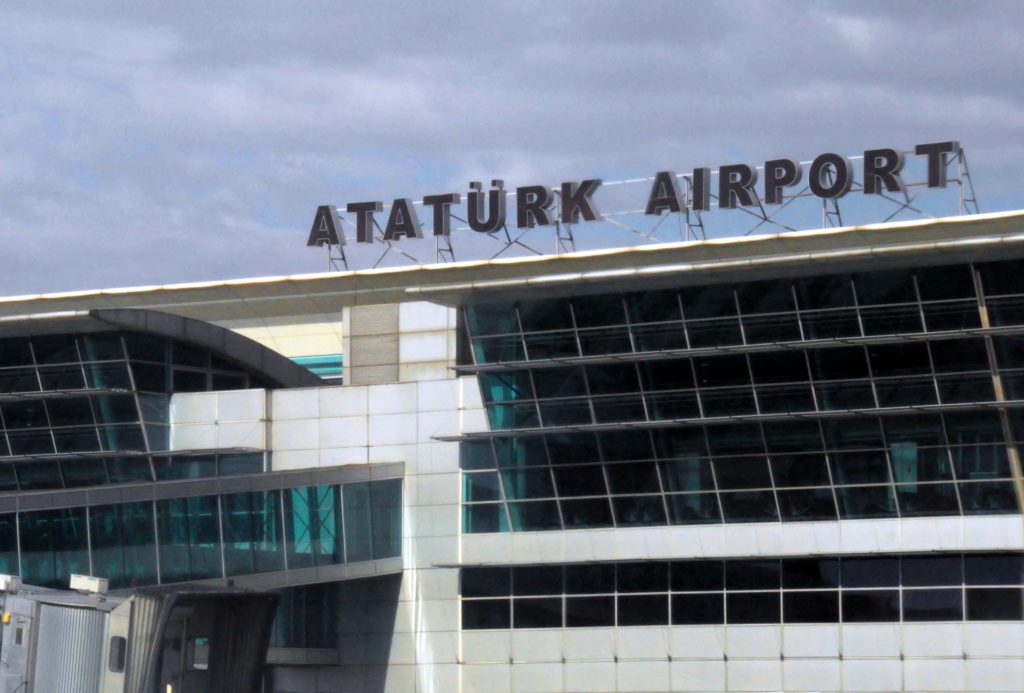 Atatürk Airport (LTBA) is the closest airport to the city center and the only one in Istanbul dedicated exclusively to business aviation operations.
That structure matters operationally.
With no commercial traffic, LTBA offers faster arrivals and departures, reduced taxi times, more efficient CIQ processing through the GAT, and greater operational flexibility for most missions.
Passenger and crew processing is typically completed within 5–10 minutes, which is a meaningful advantage over other options.
Parking has historically been reliable at LTBA, including long-term options and access to hangar space. However, availability should still be confirmed in advance, particularly during peak periods or major events.
“LTBA is built around business aviation, and that shows in how quickly you can move,” says Doğan. “From landing to being on the road, the difference compared to other airports in Istanbul is significant.”
For most operators prioritizing efficiency and proximity, LTBA remains the first choice.
LTFJ: A workable option with planning friction
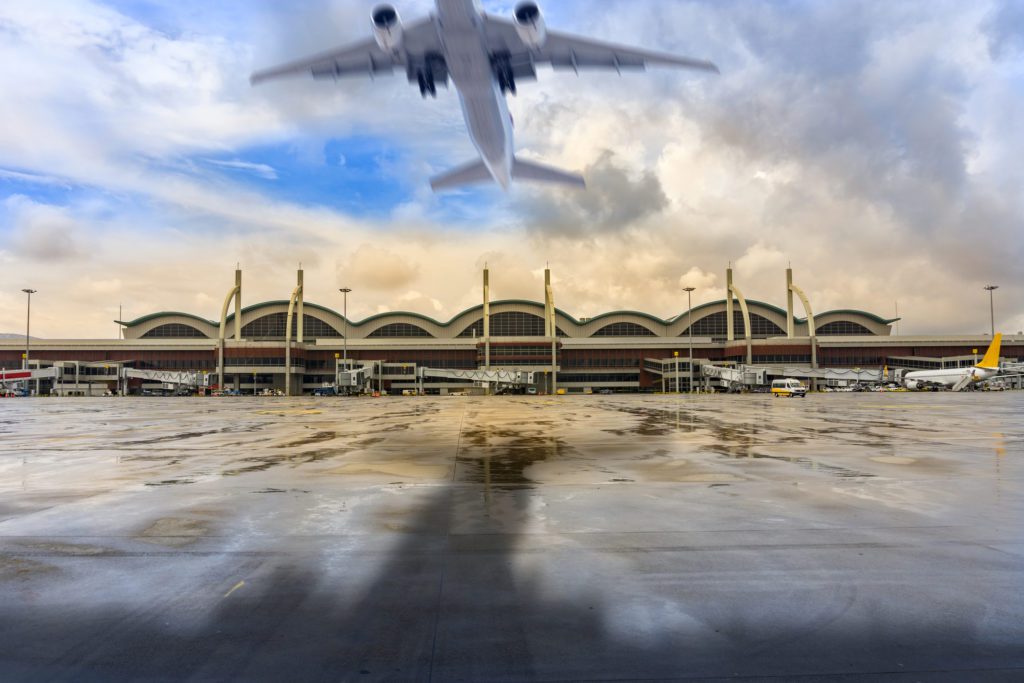 Sabiha Gökçen (LTFJ) is a viable alternative, particularly when LTBA is constrained or unavailable.
However, it introduces more planning complexity.
Slots are required and must be requested at least 48 hours in advance. Even then, operators often do not receive their preferred times, and slot confirmation may not align with planned schedules.
Parking is more restrictive. Long-term parking is generally not available unless hangar space is used, and hangar costs can start around €1,500 per day depending on aircraft size.
“At LTFJ, flexibility is everything,” says Doğan. “If your schedule is rigid or you are relying on long-term parking, it can quickly become a constraint instead of a solution.”
Operationally, LTFJ works best when schedule flexibility is built in, parking duration is limited, and cost considerations outweigh proximity to the city center.
Without flexibility, LTFJ can quickly become a constraint rather than a solution.
LTFM: Available, but not optimized for business aviation
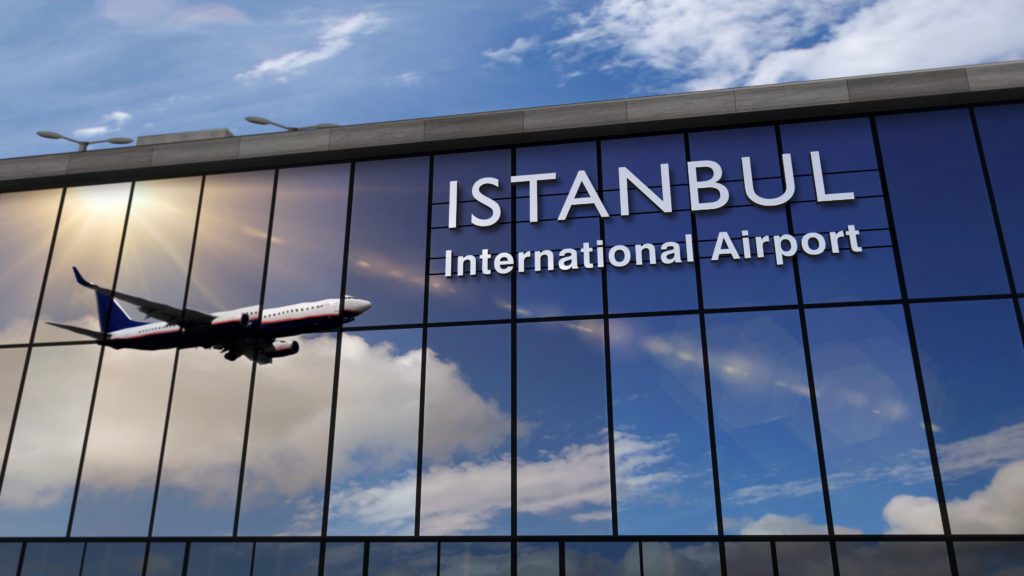
Istanbul Airport (LTFM) is the city’s primary commercial airport and remains available for business aviation operations.
From an operational standpoint, it is the least efficient option for most missions.
Taxi times can reach 15–20 minutes, and ground transfers to the GA processing area can take an additional 20–25 minutes. This creates longer total transit time for passengers compared to LTBA.
There are also infrastructure limitations. While GA operations are supported, dedicated business aviation facilities are still evolving, and hangar availability is not currently an option.
Costs are typically higher than other Istanbul airports.
“LTFM works when access is the priority, but not when efficiency is,” says Doğan. “You need to plan for longer ground times and a different passenger experience.”
LTFM is best used for technical stops, missions where access is more important than efficiency, or situations where other airports are unavailable.
Trabzon Airport (LTCG)

LTCG, two hours away from Istanbul, is a 24-hour AOE and civilian. The runway is long, airside security is good, and parking for up to B737 and ACJ319 equipment is available. However, note that prior permission required (PPR) is needed for this location, and there’s not much in terms of infrastructure or VIP options. GAT is not available.
The real constraint: slots and timing, not access
Across Türkiye, most airports require arrival and departure slots.
The process is not fully transparent to operators. Slot requests must be coordinated through ground handlers, and availability is not directly visible.
Two planning realities matter:
- Preferred slot times are often not available, particularly at LTFJ
- Confirmations may not be issued until 2–3 days prior to operation
In addition, aircraft must be registered in the Turkish CAA system, which can take up to three business days.
These timelines create a planning gap that operators often underestimate.
“The challenge is not getting into Türkiye,” says Doğan. “It is aligning slots, approvals, and timing. That is where most delays come from.”
What operators get wrong
The most common mistake is assuming Istanbul operates like a typical multi-airport city where one location can easily substitute for another.
In practice, each airport introduces different constraints.
Other frequent issues include expecting to receive preferred slot times without flexibility, assuming parking will be available for extended stays, not accounting for aircraft registration lead time with the CAA, and choosing an airport based only on proximity without considering operational tradeoffs.
These are planning errors, not operational surprises.
Parking reality across Istanbul
Parking is generally manageable for short stays but becomes more restrictive for extended durations or larger aircraft.
At a high level:
- LTBA offers the most flexibility, including long-term and hangar options
- LTFJ relies heavily on hangar availability for extended parking
- LTFM can support longer stays but at higher cost and lower efficiency
For aircraft in the B737/ACJ category or larger, parking constraints become more pronounced across all airports.
Another operational detail that is often overlooked: aircraft are typically towed rather than parked power-in/power-out, so tow bar compatibility must be confirmed in advance.
“Parking is manageable if you plan early,” says Doğan. “But once you get closer to the operation, especially with larger aircraft, your options narrow very quickly.”
Ground experience and passenger flow
Passenger experience varies significantly depending on airport choice.
LTBA provides the most efficient flow, with quick processing through a dedicated GA terminal.
LTFM involves longer movement times between aircraft and processing areas, which can extend total ground time.
LTFJ falls somewhere in between but is still impacted by slot timing and ramp positioning.
These differences are operational, not cosmetic, and should factor into airport selection.
What this means for your operation
Successful operations into Istanbul come down to making the right airport decision early and planning around that choice.
LTBA remains the preferred option for most business aviation missions due to speed, proximity, and operational flexibility.
LTFJ and LTFM are both viable, but each introduces tradeoffs that must be accounted for in schedule, cost, and passenger experience.
“The operators who succeed here are the ones who decide early and build the mission around that decision,” says Doğan. “Waiting reduces flexibility across every airport in Istanbul.”
The operators who run into issues are not the ones who pick the wrong airport. They are the ones who assume the airports behave the same.
They do not.