


Barcelona-Catalunya Grand Prix 2026: The Girona Reposition Strategy
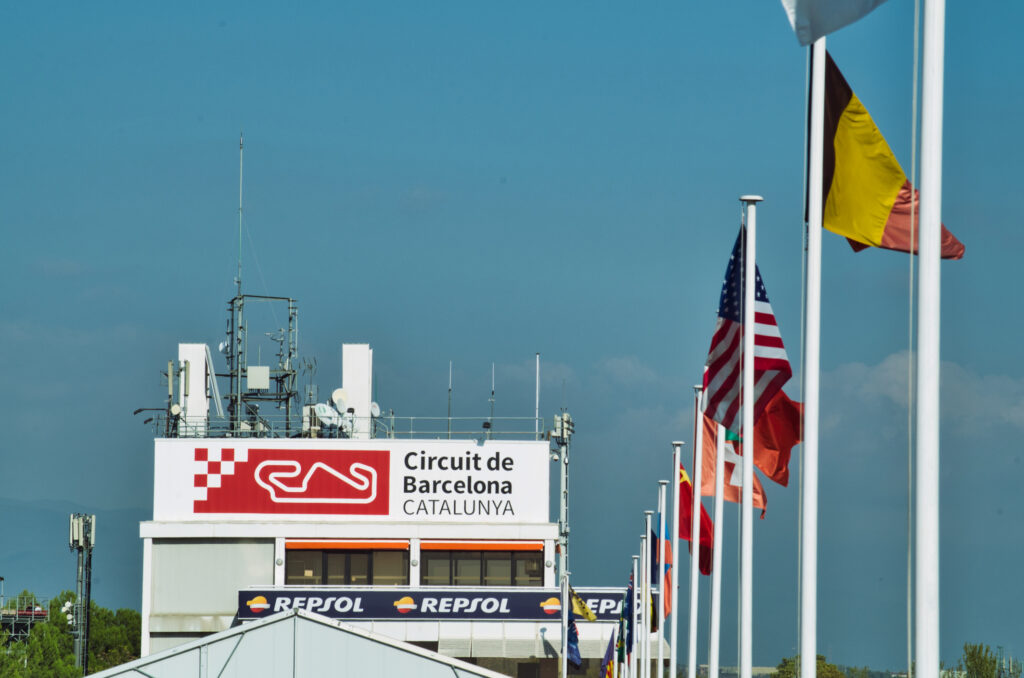
The Barcelona-Catalunya Grand Prix creates one of the tightest operating environments in Southern Europe. The infrastructure is there. Access during race week is the constraint. “Barcelona looks like the obvious choice. During race week it’s one of the least flexible airports for business aviation,” said Gonzalo Barona Jr., General Manager at Universal Aviation Spain. For most operators, the plan starts at Barcelona. The missions that run smoothly usually don’t stay there.
Event Timing
The 2026 race weekend runs June 12-14, but the operational window extends well beyond those dates. Traffic starts building Tuesday and Wednesday. Thursday and Friday see peak arrivals. Sunday afternoon through Monday morning is the heaviest departure wave. “Most of the pressure isn’t on race day. It’s the buildup and the departure push that create the real constraints,” Barona said. Treating this as a two-day event underestimates where the system actually compresses.
The Planning Chain
Operations here follow a linear sequence. Parking decisions determine where permits are usable, which drives fuel sequencing, which dictates CIQ timing and departure viability. When one link slips, the rest of the schedule follows. Most successful missions answer a few questions early and build around them. Where should the aircraft be based? Girona for parking and staging. Barcelona for drop-and-go or same-day turns only. When does pressure start? Midweek. By Thursday, the system is already at peak. How early does parking need to be confirmed? Before race week. After that, options narrow quickly and flexibility disappears.
Barcelona (LEBL): Movement Only
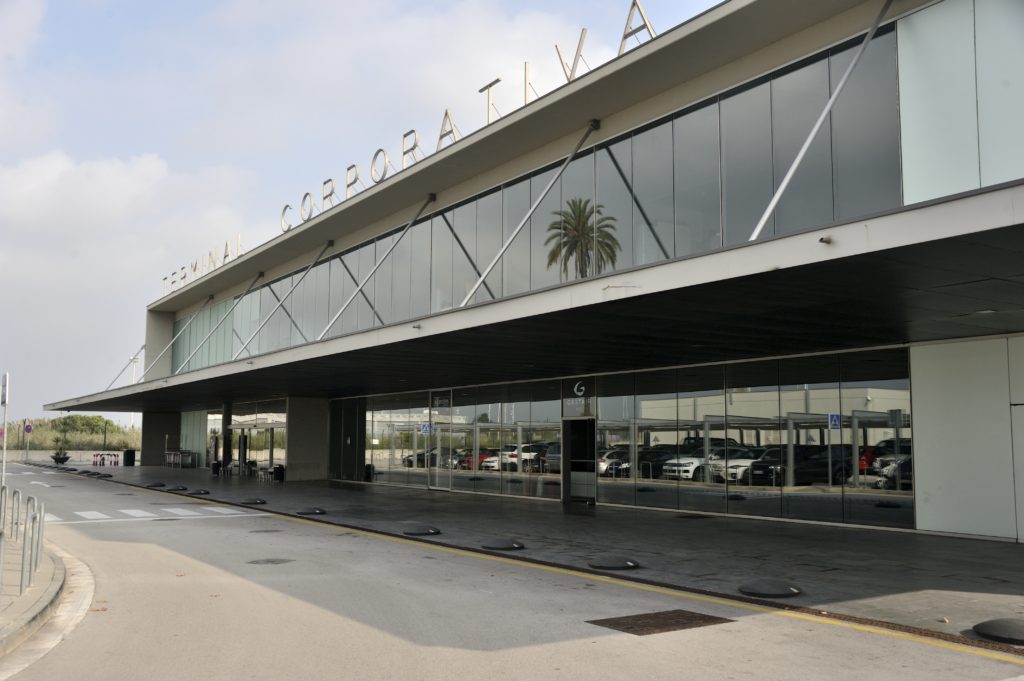 Barcelona can handle volume. The problem is parking. During race week, stands that appear available are typically already allocated to commercial traffic, held for operational contingencies, or not released to GA until very late. Short ground times have been the pattern during past events, particularly for larger aircraft. “The assumption is that if you can see space, you can use it. In reality, most of that capacity is already spoken for,” Barona said. LEBL works when the mission is built around movement: passenger drop-and-go, same-day turns, priority operations with minimal ground exposure. It does not work as a base.
Girona (LEGE): The Operational Anchor
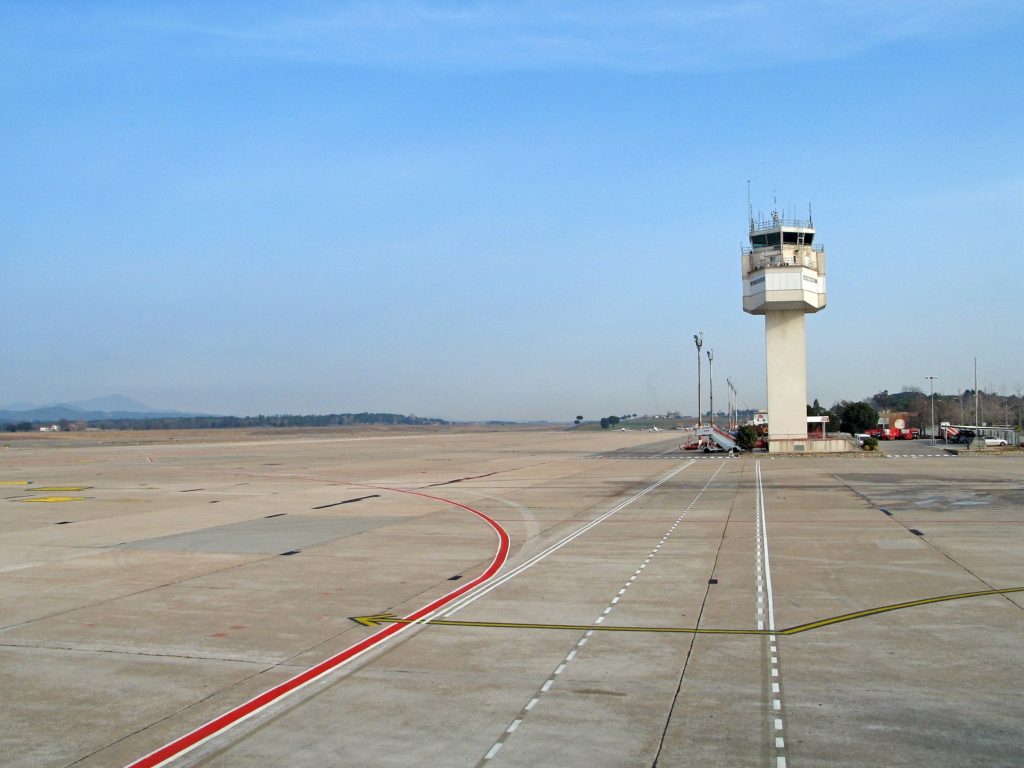 Girona carries most of the GA load during this event because it behaves predictably when planned correctly. Parking is reliable with prior coordination. The drive to the circuit is roughly 40 minutes. Operating costs are lower and the ramp environment is simpler. “Girona isn’t the biggest airport in the region, but during this event it’s the most dependable,” Barona said. The constraints matter. There are no dedicated GA fuel trucks. Service throughput slows during peak periods. CIQ runs through the main terminal, which affects timing. Plan around those limits rather than assuming they won’t apply.
How Delays Build
They don’t happen all at once. They compound. An aircraft plans to remain at LEBL. Parking isn’t available. It repositions to LEGE. Fuel was scheduled for departure day. Now there’s a multi-hour wait for uplift. The departure slot is missed. The operation slides into a more congested window and doesn’t recover. “Once you miss your planned departure window, it becomes much harder to recover the schedule,” Barona said. “Most problems come from decisions being made too late. By the time the schedule is fixed, flexibility is already gone.” The sequence is predictable. The problem is when those decisions get pushed until there’s no room left to absorb friction.
Fuel Planning
At LEGE, no dedicated GA fuel trucks means service throughput slows when demand peaks. At LEBL, GA competes directly with commercial volume during the departure push. In both cases, same-day fueling during peak windows introduces unnecessary risk. Fuel the day before departure.
Ground Transport
Distance is not the constraint. Movement is. Transfers from Barcelona can exceed 90 minutes during peak periods. Girona is generally faster to the circuit, but congestion still builds as race weekend approaches. Helicopter transfers are limited and typically fully allocated well in advance. “You can run a perfect flight and still lose time on the ground if transport isn’t planned properly,” Barona said.
What to Lock In Early
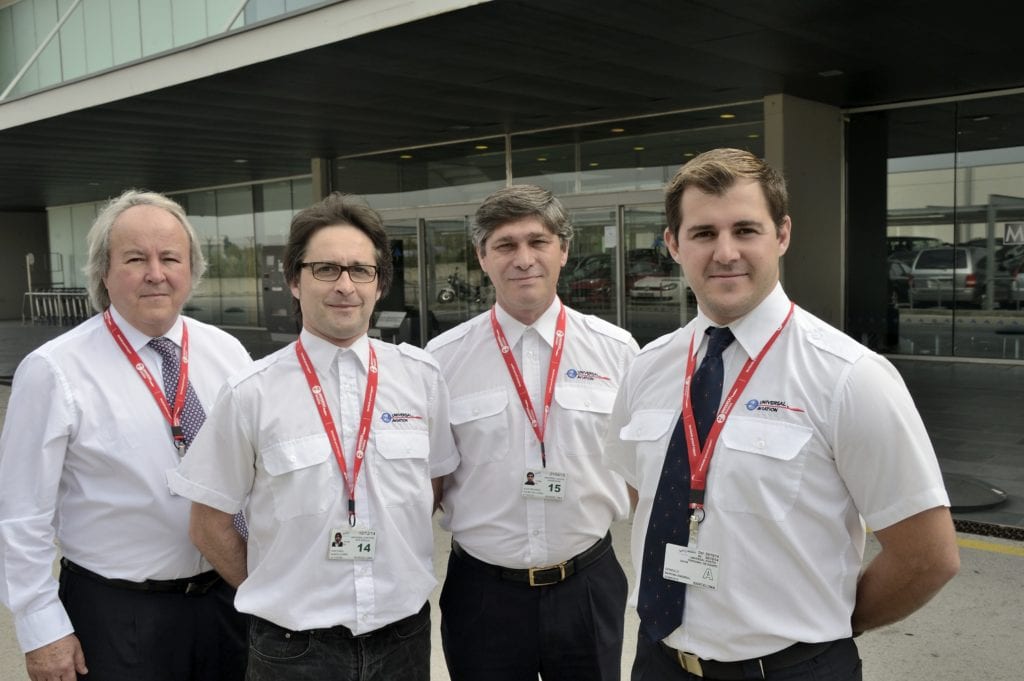
Universal Aviation Spain can support your mission to Spain for the Grand Prix and has locations in Barcelona and Girona.
Parking at LEGE confirmed. Fuel uplift scheduled for the day prior to departure. Ground transport or helicopter secured in advance. Reposition flexibility built into the schedule, not treated as a contingency. “Parking is the decision that drives everything else,” Barona said. The operations that go smoothly here aren’t the ones reacting fastest. They’re the ones that accepted the constraints early and planned around them before race week.