

Istanbul Ataturk Airport – 2026 Business Aviation Destination Guide

For more information on Turkiye airports, visit our destination guides:
Impact Summary

- Long-term parking at LTBA is not being accepted April through May 30, 2026 unless hangar space is secured
- Hangar parking is limited, requires quotation approval, and may take 3–4 working days to confirm
- New Aircraft Security Search Form required for both arrival and departure
- Israel-related operations require MoFA approval and are not eligible for fuel services
- Reposition planning should be built into missions from the outset
What changes at LTBA during this period
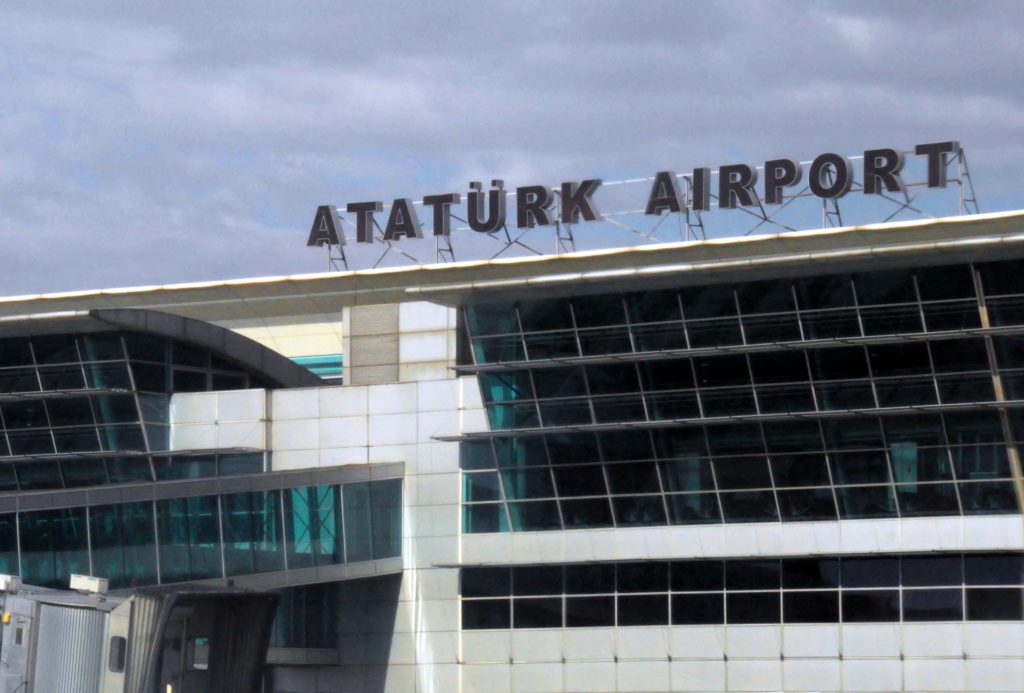
Atatürk Airport (LTBA) is typically one of the most flexible business aviation airports in the region. With no commercial traffic and a dedicated GA environment, operators are used to reliable parking, fast turnarounds, and predictable planning conditions.
That operating environment shifts during April and May.
The UEFA Europa League Final on May 20 and the EthnoSport Festival from May 22–25 are driving temporary restrictions at LTBA, particularly around how ramp space is allocated and how long aircraft can remain on the ground.
Access to the airport is not the issue. Slots are still available. Aircraft can still arrive and depart.
The constraint is parking.
Long-term parking is not being accepted by the airport authority during this period unless the aircraft is accommodated in a hangar. That distinction is where most planning breaks down.
“Operators are used to LTBA being flexible, especially for parking. During this period, that assumption breaks down,” says Eren Doğan, Chief of Operations, Universal Aviation Türkiye. “If you are not planning hangar or reposition options early, you will run into issues.”
Parking is the constraint, not access

This is not a typical congestion scenario where everything becomes restricted.
Aircraft can still operate into LTBA. The issue is what happens after arrival.
Operators planning to remain on the ground for multiple days will not be able to rely on standard ramp parking. Hangar space is the only potential exception, and even that is not guaranteed.
Hangar requests must be checked with providers, quoted based on timing and aircraft type, and approved before being secured. This introduces a level of coordination that does not normally exist at LTBA.
Confirmation timelines of 3–4 working days are realistic, particularly as demand increases closer to the event window.
For most operators, the practical outcome is the same: plan to reposition.
What operators get wrong
The most common mistake is assuming LTBA will operate the way it normally does.
Operators see available ramp space or recall previous missions and expect similar flexibility. During this period, that assumption leads to late-stage planning issues.
Other frequent missteps include requesting hangar space too late, building itineraries around staying at LTBA without confirmed parking, and not allowing enough time for hangar quotation and approval.
This is not an airport where parking can be solved at the last minute during this window.
What causes missions to break down
Disruptions during this period typically come down to timing and flexibility.
Operators that delay parking decisions often find that neither ramp nor hangar options are available. Rigid schedules make repositioning difficult, and the additional coordination required for hangar space introduces delays when not addressed early.
The issue is not complexity. It is planning discipline.
New security requirement at LTBA
A procedural change is now in effect.
An Aircraft Security Search Form must be signed by the captain on both arrival and departure. The form will be provided on-site by the Universal Aviation Türkiye team.
While straightforward, it adds a step during turnaround that should be anticipated in advance.
Türkiye restrictions on Israel-related operations
Separate from LTBA-specific constraints, Türkiye has implemented strict limitations on Israel-related operations.
Flights operating between Türkiye and Israel, or aircraft with Israeli registration, require prior approval from the Ministry of Foreign Affairs. This process typically takes about one week.
Even with approval, these flights are not eligible for fuel services within Türkiye.
Overflights remain permitted, but any landing or departure operation must be treated as a regulated and time-sensitive process.
How LTBA normally operates for business aviation
 Outside of this temporary constraint period, LTBA remains one of the most efficient and operator-friendly airports in the region.
As Istanbul’s dedicated business aviation airport, it offers a fundamentally different operating environment compared to other local options.
Compared to LTFJ and LTFM, LTBA provides shorter taxi times, faster processing, and more predictable GA handling. LTFJ is more slot-constrained and less flexible for parking, while LTFM involves longer ground times and is less optimized for business aviation operations.
With no commercial airline traffic, arrivals and departures are faster, and overall ground handling is more efficient. The airport’s proximity to the city center, approximately 30 minutes by car, is another key advantage.
CIQ processing is completed within the General Aviation Terminal and is typically efficient, with passengers and crew cleared in approximately 5–10 minutes under normal conditions. Passengers are typically escorted by customs and police during the process.
Slots are required and must be requested at least 48 hours in advance, with a tolerance of approximately +/-20 minutes. Once the aircraft departs origin, slot changes are not permitted.
Parking is generally flexible under normal conditions, with both ramp and hangar options available. Aircraft are typically towed rather than parked power-in/power-out, making tow bar compatibility an important planning consideration.
Fuel availability is reliable, though operators are advised to carry a fuel release to avoid day-of-operation issues. AVGAS is not available at Istanbul airports.
Ground handling infrastructure is strong, with multiple maintenance options and efficient coordination. While there is no standalone FBO, the General Aviation Terminal is well regarded operationally.
Cold storage is not available at Turkish airports, so catering planning should account for timing constraints. Pre-arranged ground transport is recommended, with typical transfer time to central Istanbul around 30 minutes.
LTBA also supports technical stops, crew swaps, and overnight stays under normal operating conditions.
What this means for your operation
Operations to LTBA during April and May remain viable, but the planning model needs to change.
Aircraft can still access the airport. The challenge is managing ground time.
For most operators, that means treating LTBA as a drop-and-go destination with reposition planning built in from the outset. Hangar parking can be pursued, but it should be considered a limited and uncertain option rather than a baseline assumption.
LTBA remains a highly efficient business aviation airport. During this period, however, it operates with one key limitation.
If that limitation is addressed early, operations will run smoothly. If not, options will narrow quickly.