Tag: sanctioned countries
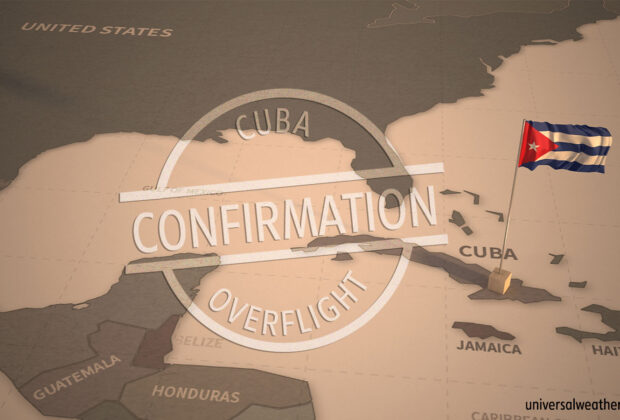
Understanding Cuban Overflight Permits
While requesting and obtaining Cuba overflight permits is generally a straightforward process, it is best to use an Office of Foreign Assets Control (OFAC)-licensed 3rd-party provider (particularly for N-registered operators) due to U.S. sanction restrictions. Overflight routing opportunities have changed somewhat in recent years, so it’s important to be aware of current permit requirements and [...]
Business Aviation Operations to Iraq – U.S. Sanctioned Country Series
While the broad economic sanctions on Iraq were lifted by the U.S. and most countries in late 2010, the U.S. Government still imposes significant restrictions on U.S.-registered aircraft that still impact business and general aviation aircraft operations involving Iraq. As a result, it is important for U.S. business aviation operators to be aware of these [...]
Business Aviation Operations to North Korea – U.S. Sanctioned Country Series
Many U.S.-based corporate flight crews have never had the opportunity to experience the beauty of cherry blossoms along the Taedong River in Pyongyang due to sanctions and other restrictions in place against North Korea (also known as the Democratic People’s Republic of Korea). [...]
Business Aviation Operations to Iran – U.S. Sanctioned Countries Series
This business aviation blog post is part of a series on business aviation operations in U.S. sanctioned countries. While the U.S. sanctions against Iran do not prohibit individuals from traveling to or from Iran, as with the Cuba sanctions, the increasing U.S. and international sanctions on Iran make it a difficult destination for U.S.-registered aircraft [...]
Operating to North and South Sudan – U.S. Sanctioned Countries Series
The recent political changes in Sudan, including the creation of the newly independent country of South Sudan, have had a major impact on U.S. sanctions on Sudan. Because of the elimination of U.S. sanctions on South Sudan, U.S. operators are now able to conduct flight operations to and from that newly independent nation. However, significant [...]
Business Aviation Operations to Myanmar (Burma) – U.S. Sanctioned Countries Series
The country referred to by the United States and several other countries as “Burma” (but officially known as the “Union of Myanmar” since 1989) has been subject to a wide range of economic sanctions due to the policies of the Burmese government. [...]
U.S. Sanctioned Countries Series: Business Aviation Operations to and from Syria
This business aviation blog post is part of a series on operating to U.S. sanctioned countries. Due to the policies and actions of the government of Syria, the United States and other countries have imposed a wide range of sanctions on the Syrian government. Among other things, the U.S. sanctions on Syria prohibit U.S. persons [...]
Business Aviation Operations to and from Cuba (Part 2) – U.S. Sanctioned Countries Series
Before operating flights to Cuba, operators of U.S.-registered aircraft must obtain licenses and ensure that all travelers have an Office of Foreign Assets Control (OFAC) specific or general license. For this reason, it is recommended that the process be started as early as possible before the trip is scheduled to take place [...]
Business Aviation Operations to and from Cuba (Part 1) – U.S. Sanctioned Countries Series
Because of the long-standing U.S. sanctions and significant restrictions on travel to and from Cuba, only a small number of flights between the U.S. and Cuba occur each day, and most of these are charter (non-scheduled commercial) flights. As a result, planning for and operating authorized business aviation flights involving [...]
10 Potentially Challenging International Permits for Business Aviation Operators
This aviation blog post of part of a series on overflight permits and landing permits. Overflight and landing permits vary in complexity and lead time. It depends on the region of the world you’re flying to and the type of operation you’re doing. Charter (non-scheduled commercial) permits usually require additional documentation and lead time, involve [...]