
Munich Security Conference 2026: Business Aviation Operational Planning Guide
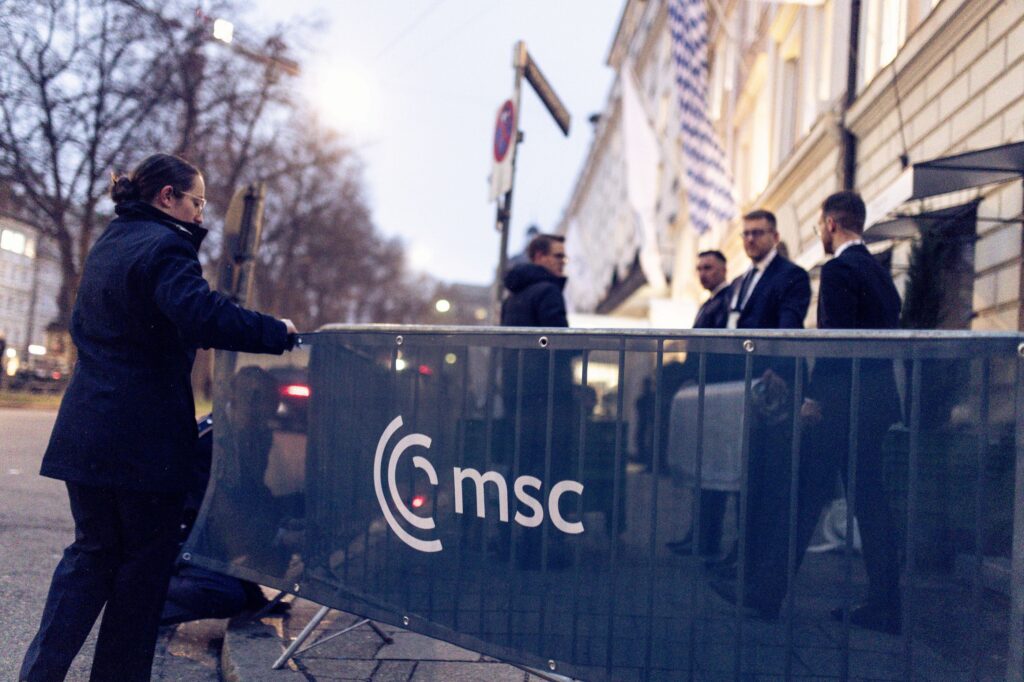
MSC week transforms Munich into Europe’s most operationally demanding business aviation environment. Here’s what operators need to know to avoid delays and disruptions.
The Munich Security Conference (MSC) is one of the most operationally demanding events of the year for business aviation in Europe. Each February, the conference drives concentrated traffic flows, heightened security measures, and strict airport controls across Munich area airports.
Operators planning flights during MSC week from February 7 through February 15 should expect congestion, limited parking, enhanced security procedures, and extended service lead times. Early and precise coordination is essential.
Below is a practical breakdown of what to expect and how to plan effectively.
Peak Arrival and Departure Periods
Based on previous years, MSC traffic follows consistent and highly compressed patterns.
- Heaviest arrival periods: Thursday afternoon and Friday morning
- Heaviest departure period: Sunday between 0900 and 1400 local time
During these peak windows, parking availability becomes extremely constrained. If a flight is not associated with a diplomatic or military MSC delegation, on ground time may be reduced to as little as 60 to 90 minutes, even if parking had initially appeared available.
“Thursday afternoon and Friday morning arrivals, followed by Sunday departures between 0900 and 1400 local, are consistently the most challenging periods. If a flight is not linked to a diplomatic or military MSC delegation, parking may be reduced to a short technical stop regardless of prior expectations.”
— German Aviation Services
Planning guidance: Avoid peak arrival and departure windows when possible. Early morning or late evening movements offer the best chance of minimizing congestion. Alternate airport planning should be completed well in advance.
Security Procedures and Turnaround Impact
Special security procedures are implemented across Munich airports throughout MSC week, with the most significant impact on military, diplomatic, and state flights.
- All military and state flights are subject to special operational procedures
- Passengers and crew are processed via designated MSC Gates and the CUPRA Area
- Ground transportation must use MSC licensed vehicles and drivers
- All movements occur within secured zones
While some flights may be exempt from standard screening, very strict identification and security controls apply to all passengers, crew, and ground transportation movements.
Important: If security screening is required for otherwise screening exempt passengers, crew, or baggage, 48 hours advance notice is mandatory so special procedures can be coordinated. Prior notification to all relevant authorities, including the Civil Aviation Authority, is required.
“Once MSC security procedures are activated, the airport operates under a completely different rhythm. Turnaround times expand immediately, and operators planning on normal lead times will experience delays.”
— German Aviation Services Senior Operations Manager
Common Operational Challenges During MSC Week
The most frequent operational challenges during MSC include:
- Severe parking restrictions
- Extended fueling and catering delays
- Ground transportation bottlenecks within secured zones
- Reduced flexibility for schedule changes
“Operators that treat MSC week like a routine operation will run into problems. Early submission of accurate information is critical to keeping flights moving.”
— German Aviation Services
Required Planning Information
To ensure a coordinated operation, operators planning MSC flights should be prepared to provide the following details in advance.
Catering
Catering orders must be submitted no later than one week prior to arrival. Advise whether a catering high loader will be required.
Crew Transportation
If available, provide detailed crew transportation timings, such as:
- Flight deck crew 15 minutes after landing
- Cabin crew 2 hours after landing
- Technicians 3 hours after landing
This allows secure and efficient coordination through the MSC Gates.
Passenger Handling and Transportation
For PPR approval, the name and position of the lead passenger must be provided, along with confirmation of MSC participation.
MSC licensed limousines, vans, and armored vehicles are available in limited supply and should be booked early.
Accommodation
Advise whether assistance with crew hotel arrangements will be required. Availability is limited during MSC week.
Fuel
Fueling requests must be coordinated prior to landing. Extended waiting times are common due to peak traffic. Fuel releases should be provided in advance whenever possible.
Weapons and Aircraft Security
If weapons are carried onboard or continuous aircraft guarding is required, submit the full security staff roster in advance. MSC accreditation is mandatory for all airside security personnel.
Operational Lead Times
Allow for extended preparation and response times. Fueling and catering services may require significantly longer lead times than during non-event periods.
Accreditations
All airport accreditations for passenger delegations must be coordinated exclusively through the designated MSC embassy contact.
Fees, Surcharges, and Alternate Airports
An event handling surcharge equal to 75 percent of the basic handling rate applies to all operations conducted during the MSC period.
When Munich airports are saturated, recommended alternate parking airports include:
- Stuttgart Airport (EDDS)
- Oberpfaffenhofen Airport (EDMO)
Handling coordination for these alternates is available via ops@germanaviation.com.
NOTAMs, PPR, and CIQ Procedures
Strict PPR is required from February 7 through February 15 under NOTAM A0210.
Each PPR application must include:
- Confirmation whether the lead passenger is an MSC participant
- The lead passenger’s name and official position
Only MSC diplomatic and military flights qualify for special customs and immigration procedures, which are conducted rampside at the aircraft. All other flights must follow standard CIQ processes.
Bottom Line
The Munich Security Conference creates one of the most restrictive operating environments in European business aviation. Parking limitations, strict security controls, elevated fees, and concentrated traffic peaks leave little margin for error.
“MSC week rewards operators who plan early, communicate clearly, and respect the operational constraints in place. Those who do not should expect delays.”
— German Aviation Services
Conservative scheduling, early submissions, and close coordination with handlers and authorities remain the keys to a successful operation during MSC week.