


2026 World Cup – Business Aviation Planning Guide
The 2026 FIFA World Cup will generate sustained peak-level traffic across 16 host cities in three countries for six consecutive weeks. For business aviation, this translates into permit pressure in Mexico, slot controls at major U.S. gateways, constrained parking near venues, and heightened security procedures throughout North America.
This is not a short-duration event. Traffic will build during the group stage and intensify significantly from the Round of 32 onward.
More than six million visitors are expected across the tournament period. Operational strain will rival that of an Olympic Games, but spread across multiple airspace systems and regulatory frameworks.
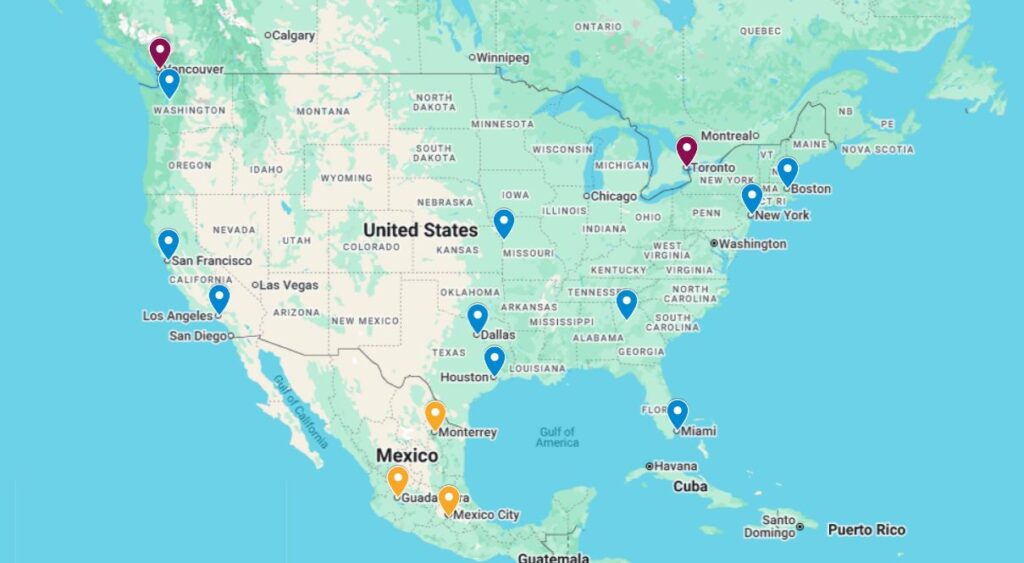
Primary Operational Risks – World Cup 2026
- Mexico AFAC permit delays and one-shot charter approvals
- Slot controls at JFK, EWR, LAX, ATL, MIA, and potentially Mexico City alternates
- Limited overnight parking at high-demand venues
- Special event fees and temporary procedures issued late
- Hotel and crew accommodation shortages
Critical Planning Timeline
Mid-December 2025 through January 2026
- Begin or finalize Mexico landing permit applications (AFAC)
- Pre-book parking and handling at preferred U.S. and Canadian gateways
- Secure crew and passenger accommodations near host airports
- Coordinate early with ground handlers, catering providers, and security vendors
Early 2026
- Slot programs, parking restrictions, and temporary procedures expected January–February
- Confirm permit approvals, customs arrangements, and ground support
- Begin contingency planning for alternates in Mexico City, Los Angeles, and the New York/New Jersey area
March through May 2026
- Complete final confirmations and logistical coordination
- Late planners should expect limited access to preferred airports and ground services
Mexico
Mexico presents the most permit-driven risk profile of the three host nations. AFAC processing timelines remain variable, and charter authorizations are typically issued on a one-shot basis.
Mexican Host Cities and Key Matches
Mexico City – Estadio Azteca (Banorte)
- June 11 – Mexico vs. South Africa
- June 17 – Uzbekistan vs. Colombia
- June 24 – Playoff D Winner vs. Mexico
- June 30 – Round of 32
- July 5 – Round of 16
Guadalajara – Estadio Akron
- June 11–26 – South Korea, Mexico, Colombia, Spain, Uruguay
Monterrey – Estadio BBVA
- June 14–24 – Tunisia, Japan, South Korea, South Africa
- June 29 – Round of 32
Primary Mexican Airports
- MMMX (Mexico City): Extremely limited GA access, mostly restricted to charter and state flights
- MMSM (AIFA): One of the main gateways for large-body aircraft, with approved overnight parking for wide-body operations.
- MMTO (Toluca): 24/7 AOE, primary GA gateway to Mexico City
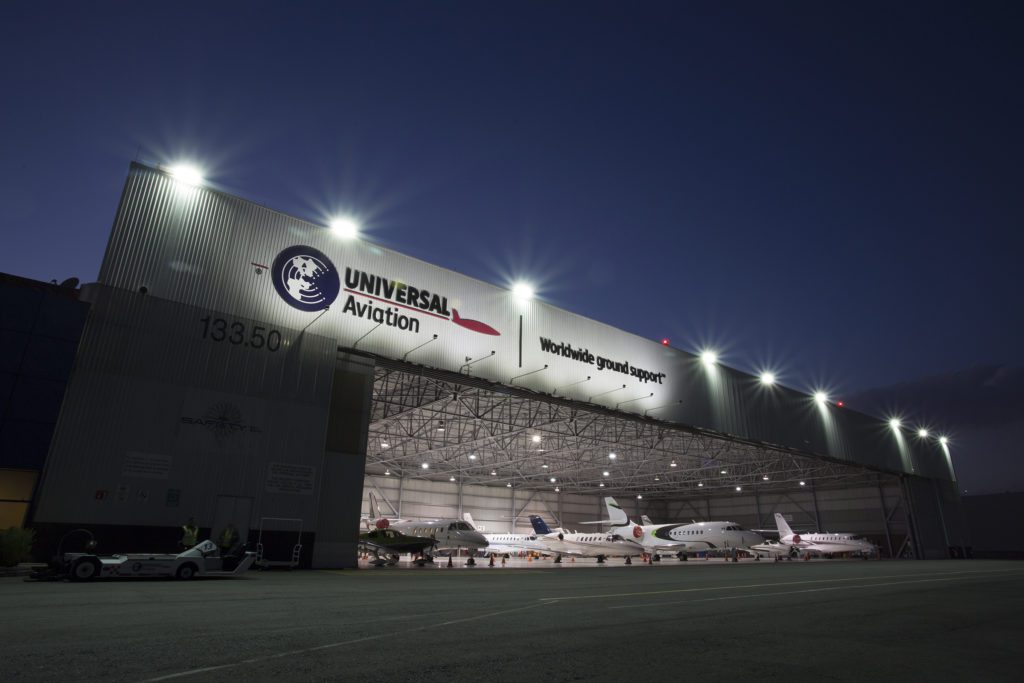
- MMGL (Guadalajara): Full GA facilities with expanded World Cup–related capability, including a new Universal Aviation FBO with dedicated hangar and ramp infrastructure for large and long-range executive aircraft and private CIQ processing.
- MMMY (Monterrey): Main GA field
- MMAN (Del Norte): Not recommended as an alternate due to military restrictions that can complicate client handling
- MMIO (Saltillo): About one hour from Monterrey and the best alternate option for GA
Considerations
- Permits: Mexico’s AFAC requires detailed applications, especially for non-scheduled GA flights, charter authorization approvals by AFAC are taking longer than usual.
- Slots: Mexico may prioritize World Cup sponsors if slot programs are implemented; confirmation is still pending
- Congestion: Mexico City’s airspace is already highly saturated under normal conditions
- Security: Expect elevated screening and ground restrictions around match venues
- CIQ and Passenger Processing: Guadalajara will offer private CIQ processing through the Universal Aviation FBO, providing a more controlled and discreet clearance experience compared to centralized terminal processing that may be required at other Mexican airports during peak demand.
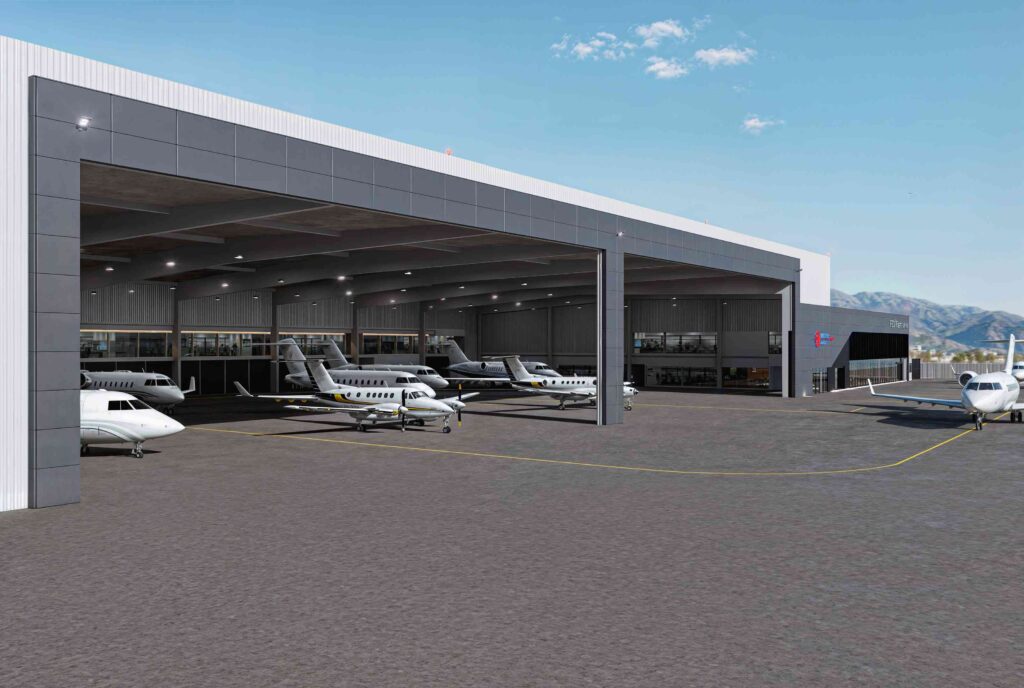
Universal Aviation Mexico is fully operational at all three Mexican host cities. In Guadalajara, Universal Aviation’s newest FBO is scheduled to open on March 27, 2026, ahead of the FIFA World Cup. The facility will include dedicated ramp and hangar infrastructure capable of accommodating large and long-range executive aircraft, a VIP terminal with private CIQ, passenger lounges, dedicated crew facilities, and a 5,000-square-meter hangar.
United States: Regulatory Complexity Across 11 Cities
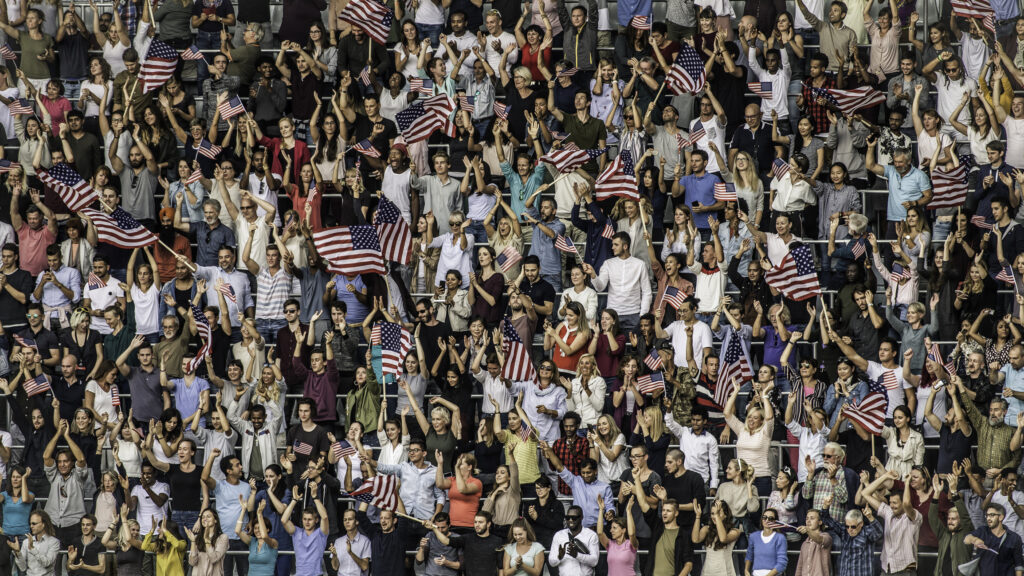
As the primary host nation, the United States will see the most overall traffic. Regulatory burdens, TSA oversight, and slot-controlled airports will present challenges throughout the country.
Key Considerations
- CBP and eAPIS: All GA flights must comply with U.S. Customs and Border Protection (CBP) and eAPIS requirements
- Immigration Policy: Monitor developments around travel bans or visa restrictions, which could impact certain nationalities during the event period
- Slot Restrictions: Likely at JFK, EWR, LAX, ATL, MIA, and other airports, especially during match days
- Security: TSA and local law enforcement may increase ramp presence, screening, and credential checks near stadium areas
U.S. and FIFA Introduce Fast-Track Visa System for World Cup 2026

The U.S. government and FIFA have launched FIFA PASS, a priority visa-appointment system for FIFA World Cup 2026 ticket-holders traveling to U.S. host cities. For business aviation operators, this may help streamline entry for passengers who need U.S. visas, reducing lead times during a period of expected heavy demand across 16 host airports. While it does not replace standard visa requirements, the program provides faster scheduling and may ease congestion for international charter and private flights supporting World Cup travel.
U.S. Host Cities and Match Highlights
Atlanta – Mercedes-Benz Stadium
- June 15–27: Spain, Cape Verde, Morocco, Haiti, South Africa, Uzbekistan
- Knockouts: July 1, 7, 15
Boston (Foxboro) – Gillette Stadium
- June 13–26: Haiti, Scotland, Norway, England, France, Ghana, Morocco
- Knockouts: June 29 (Round of 32), July 9 (Quarterfinal)
- Airports: KBED preferred, KBOS secondary, KPVD alternate
Dallas – AT&T Stadium
- June 14–27: Netherlands, Japan, England, Argentina, Croatia, Austria, Jordan
- Knockouts: June 30–July 14 including a semifinal
Houston – NRG Stadium
- June 14–26: Germany, Portugal, Netherlands, Saudi Arabia
- Knockouts: June 29 and July 4
Kansas City – GEHA Field at Arrowhead Stadium
- June 16–27: Argentina, Algeria, Ecuador, Netherlands
- Knockouts: July 3 (Round of 32), July 11 (Quarterfinal)
Los Angeles – SoFi Stadium
- June 12–25: USA, Paraguay, Iran, Belgium, Switzerland
- Knockouts: June 28, July 2, July 10
Miami – Hard Rock Stadium
- June 15–27: Saudi Arabia, Uruguay, Scotland, Brazil, Portugal, Colombia
- Knockouts: July 3, July 11
- Third-Place Match: July 18
New York/New Jersey – MetLife Stadium (Final Venue)
- June 13–27: Brazil, France, Senegal, Norway, England, Germany
- Knockouts: June 30, July 5
- Final: July 19
- Airports: KTEB, EWR, and JFK primary; KMMU and KHPN recommended alternates
Final Match Notes
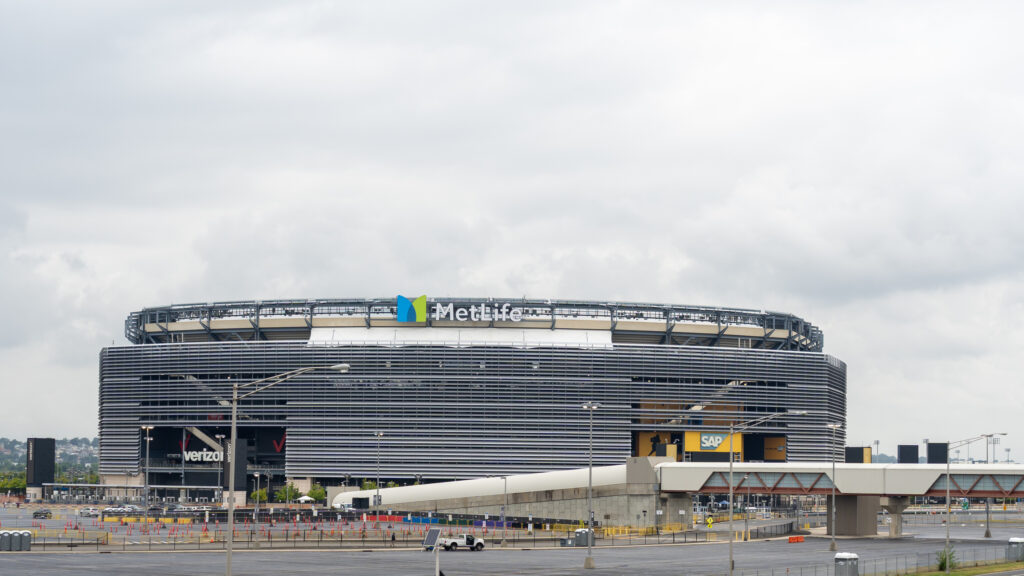
MetLife Stadium in East Rutherford will host the final on July 19. Expect extreme slot and parking pressure at nearby airports. Secondary positioning at Morristown (KMMU) or White Plains (KHPN) is strongly advised.
Philadelphia – Lincoln Financial Field
- June 14–27: Ivory Coast, Ecuador, Brazil, Croatia, France, Ghana
- Knockout: July 4
San Francisco – Levi’s Stadium
- June 13–25: Qatar, Switzerland, Austria, Paraguay, Australia
- Knockout: July 1
Seattle – Lumen Field
- June 15–26: Belgium, Egypt, USA, Australia, Iran
- Knockouts: July 1, July 6
Canada: Transatlantic Gateway Advantage
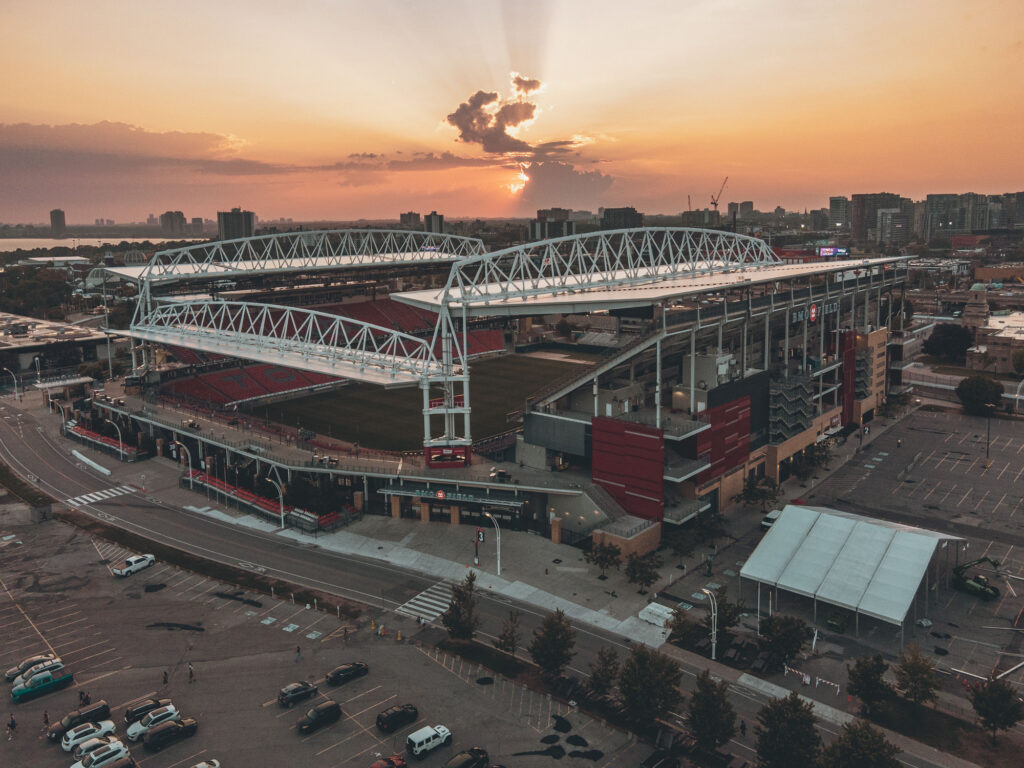
Toronto, Canada – Aerial view of BMO Field in Toronto.
Canada may host fewer matches, but its location and infrastructure make it strategically valuable — particularly for transatlantic arrivals, diversions, or operators avoiding U.S. congestion.
Host Cities:
-
Toronto
-
Vancouver
Considerations:
-
CANPASS: Required for most GA clearances
-
Weather: Summer flying in coastal cities like Vancouver can bring fog or sudden weather disruptions
-
Airspace Routing: Canadian FIRs may be key for efficient routings into U.S. destinations
Universal teams are working with CBSA and Canadian airports to support CANPASS coordination and advance customs planning.
Recommendations for Operators
- Start Now: Secure permits, ground services, and accommodations early, particularly in Mexico where permit lead times and limited GA capacity can create delays
- Watch for Slot Procedures: December 2025 and early 2026 are critical months for finalizing operational details and slot releases
- Build Flexibility: Have alternate airports ready for key cities such as New York, Los Angeles, and Mexico City in case of last-minute restrictions or parking limits
- Track Country-Specific Rules: Regulatory differences across the U.S., Mexico, and Canada will affect customs, overflight, and security procedures
- Secure On-Site Support: For high-demand locations, consider reserving a dedicated Universal Aviation agent to assist with local coordination, customs, and day-of-arrival logistics.
- Leverage Guadalajara Capacity: With the opening of Universal Aviation’s new FBO at MMGL in March 2026, Guadalajara may offer a more predictable operating environment for certain Mexico-based missions, particularly for large-cabin and long-range aircraft, compared to more constrained airports such as Mexico City.
Bottom Line
The 2026 World Cup will be one of the most operationally demanding events business aviation has ever faced. Operators who plan early, stay informed, and build flexibility into their mission planning will be positioned for success. Those who wait may find themselves without options.
Universal is already working with operators across North America to prepare for high-traffic days, permit requirements, and airport restrictions.